
Custom rubber profiles, developed from your drawing—not a catalog guess
Bring us a new profile concept, an existing sample or a specification that needs localizing for production. We coordinate profile review, compound selection, tooling, sampling and export packing under one project contact.
A manufacturing route built around the part
There is no single “best” rubber compound. The right choice depends on how the seal is compressed, what it contacts and how long it must last. We start with the application, then define the profile and material.
Sample-first approach: for custom profiles, we prefer to validate a physical sample before bulk production. Tooling and sample charges, if any, are confirmed in writing before work begins.
New profile development
Send a cross-section drawing or a physical sample. We review the geometry for extrusion, tooling and installation constraints before quoting.
Compound selection
EPDM, silicone, PVC, TPE/TPV and sponge rubber can be compared on temperature, weather, compression set, color and cost.
Tolerance & finishing
Dimensional tolerances, cut length, punching, splicing, co-extrusion, flocking and surface finish are defined on the approved specification.
Retail & export packing
Coils, spools, cut lengths, header bags, cartons and palletized export packing can be planned around your sales channel.
From inquiry to mass production
This is the same four-stage path we use for every custom project. Each stage has a defined input and output, so you know what is being approved before the next commitment.
Send Inquiry
Start with whatever is clearest: a drawing, a physical sample, a 3D model or a photo with dimensions.
You send
2D/3D drawing, sample photo, application, material preference and estimated quantity.
We return
Initial feasibility comments, missing-information list and a clear next step.
Profile Review
Our team checks the section for manufacturability and confirms the material, hardness, tolerance and tooling route.
You send
Installation details, mating surface, color, compression target and any standard requirements.
We return
Quotation, tooling terms, sample plan and an agreed specification sheet.
Sample & Test
Tooling is approved, a first-article sample is produced and you test the fit on the real assembly.
You send
Sample approval, fit feedback and any dimensional or appearance changes.
We return
Labeled sample, inspection reference and production-ready approved profile.
Mass Production
Once the sample is signed off, production is scheduled with checks on dimensions, appearance and packing.
You send
Purchase order, packing instructions, labeling and shipping documents.
We return
Batch production, pre-shipment photos, export packing and dispatch.
What to send for an accurate review
A complete brief reduces back-and-forth and helps us quote the right material and tooling route. If some details are still open, send what you have—we will mark the gaps and suggest sensible options.
- Cross-section drawing with key dimensions (DWG, DXF, STEP, IGES or PDF)
- Material preference, hardness and color reference
- Application, mating surface and installation method
- Gap and compression range, if already known
- Estimated annual volume and trial-order quantity
- Packaging, labeling and destination requirements
- Any fire, weather, automotive or food-contact standard
- Photos or a physical sample of the current seal, if available
Accepted drawing formats include DWG, DXF, STEP, STP, IGES, PDF and ZIP packages. Photos are welcome.
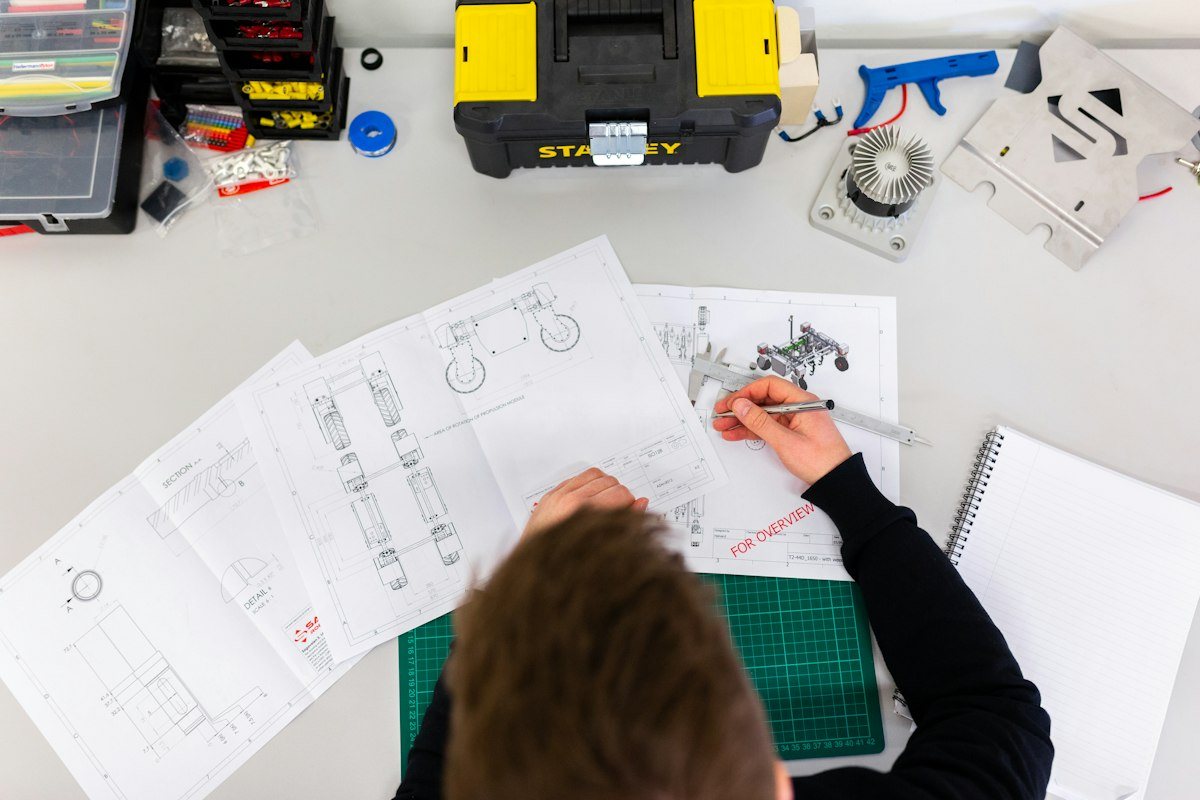 Illustrative photo
Profile drawing review
Engineering review — cross-section and dimensions
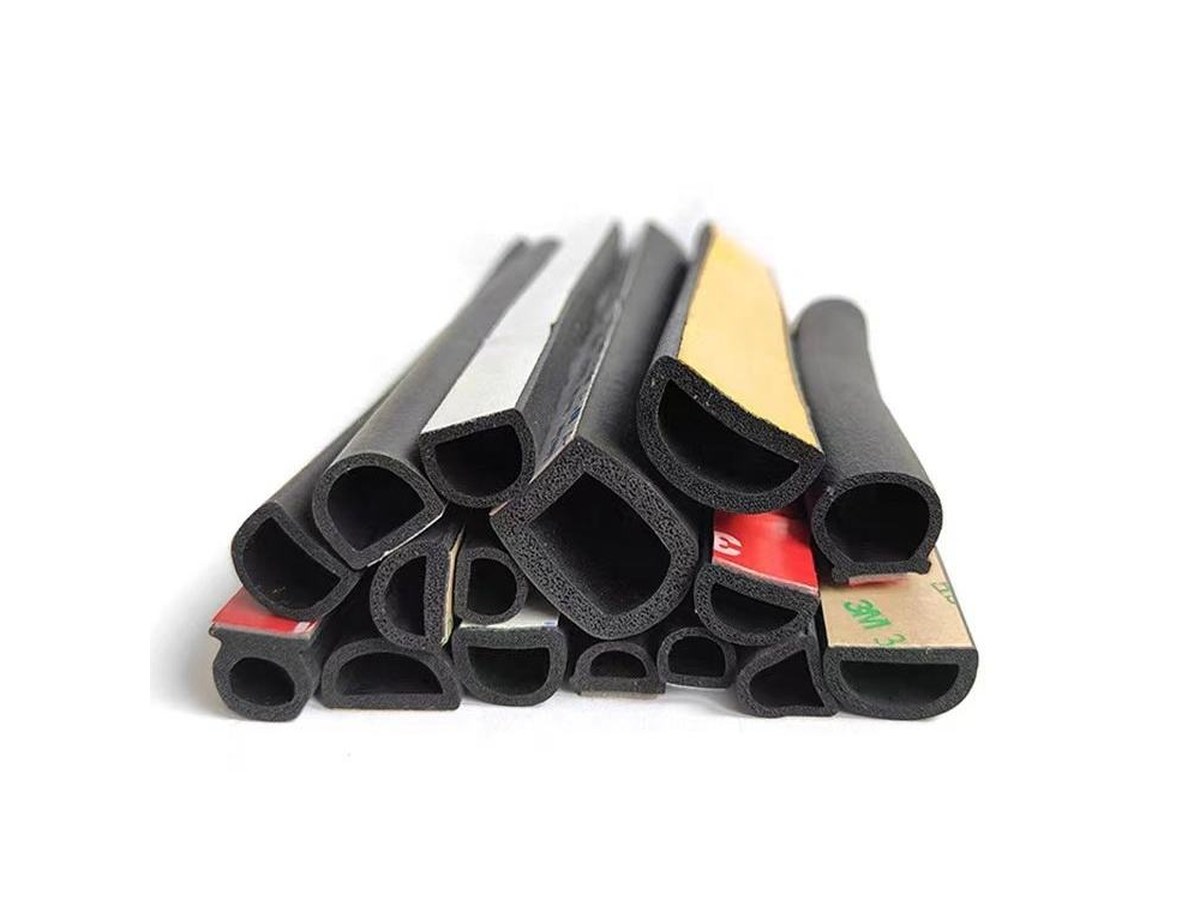 Product photo
First-article sample
Custom sample render — extruded profile
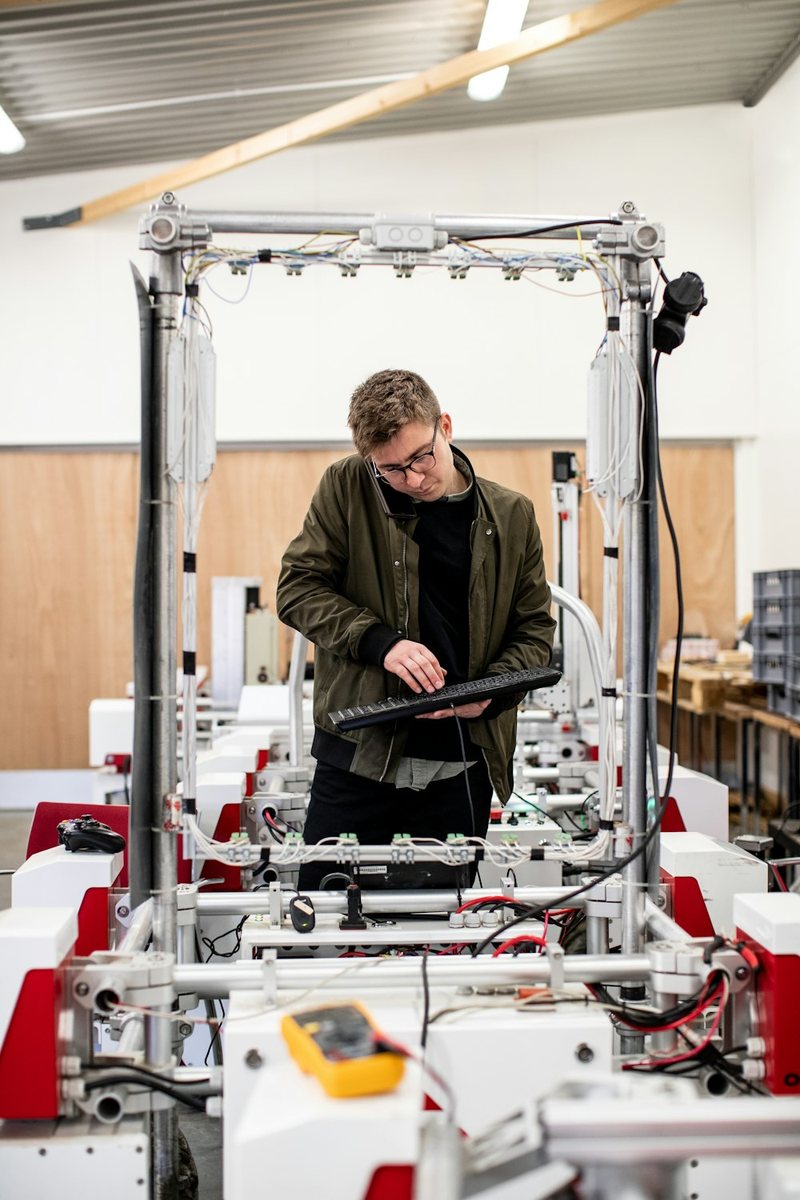 Illustrative photo
Dimensional inspection
Inspection photo — profile check
A controlled route from die to repeat order
Tooling is an investment in the profile, not a black box. We confirm the design, approval criteria and change process before the die is cut.
DFM review
Wall thickness, undercuts, tolerances and installation features are checked against the extrusion process.
First article
A sample is produced, measured and labeled for your fit test. Changes are documented before approval.
Repeatability
The approved sample becomes the production reference for dimensions, appearance, packing and reorders.
Checks that match the product and the risk
Inspection criteria are agreed before production. Depending on the project, this can include dimensions, hardness, appearance, adhesion, compression set, packaging and labeling.
Approved-sample reference
Keep a signed sample and specification sheet as the reference for every batch.
In-process checks
Dimensional and visual checks are made during extrusion and finishing.
Pre-shipment review
Packing, labels, quantities and carton marks can be photographed before dispatch.
Export packaging
Coils, cartons and pallets are configured for the shipping method and handling route.
Send the drawing. We will review the route.
Share your cross-section, application and estimated volume. We will come back with the missing questions, a suitable material route and the sample or tooling steps needed to move forward.
CAD: DWG, DXF, STEP, IGES, PDF Sample photos welcome Trial orders supported