
Sealing solutions for real installation conditions
From aluminum window systems to vehicle doors, industrial enclosures, marine hatches and solar frames—we help buyers choose a sealing profile around the environment, mounting method and production volume.
 Application
Aluminum window sealing detail
Application reference — window frame and seal
Environment
Building & construction
Review focus
Fit · material · life
Windows & Doors
Architectural seals have to balance weather protection with the force needed to close the window or door. We review the frame profile, drainage path and corner detail before recommending a section.
Typical projects include aluminum and uPVC casement windows, sliding systems, entrance doors and curtain-wall interfaces. Dense EPDM is common for external weathering; foam and fin profiles can reduce draughts and rattle where lower closing force is important.
What we review
- Frame material and mounting groove dimensions
- Gap range through opening and closing
- Water drainage and pressure-equalization path
- Color, UV exposure and corner joining method
 Application
Vehicle door aperture seal
Application reference — door and body seal
Environment
Automotive & transport
Review focus
Fit · material · life
Automotive Sealing Systems
Vehicle weatherstrips must fit a complex aperture, control wind noise, shed water and survive repeated door cycles. We work from OEM drawings or an existing sample and confirm the installation features before tooling.
Product routes include door aperture seals, glass-run channels, trunk and hood seals, body plugs and interior trim edge protection. Dense EPDM, sponge EPDM and TPV co-extrusions can be reviewed depending on the required feel, sealing and appearance.
What we review
- Aperture drawing, clip positions and corner radii
- Door closing force and target compression
- Glass-run friction, flock or coating requirement
- Color, surface finish and vehicle program volume
 Application
Control cabinet edge protection
Application reference — enclosure edge trim
Environment
Industrial equipment
Review focus
Fit · material · life
Industrial Cabinets & Enclosures
Industrial buyers need repeatable fit, clean edges and dependable sealing around access panels and doors. Our team matches grip range, compression and adhesive to the panel build—not just the visible profile.
Applications include control cabinets, electrical enclosures, machine guards, HVAC housings and modular panels. Metal-reinforced edge trim protects cut edges and retains securely; self-adhesive foam and sponge profiles seal against dust, air and vibration.
What we review
- Panel thickness and tolerance at the edge
- Required grip strength and pull-off resistance
- Door closure, hinge alignment and compression
- Indoor/outdoor exposure, cleaning and temperature
 Application
Marine hatch and door seal
Application reference — hatch cover sealing
Environment
Marine & dockside
Review focus
Fit · material · life
Marine & Dock Equipment
Salt water, UV and constant movement make marine sealing a material-first decision. We review the exposure, mating surface and service access before selecting an EPDM or silicone route.
Suitable projects include hatch covers, access doors, container conversions, dock fenders and pontoon equipment. Compression-set behavior, ozone resistance and resistance to water absorption are considered alongside the fixing method.
What we review
- Salt-water, UV and ozone exposure
- Hatch or door movement and compression range
- Mating surface condition and drainage
- Replacement access and expected service life
 Application
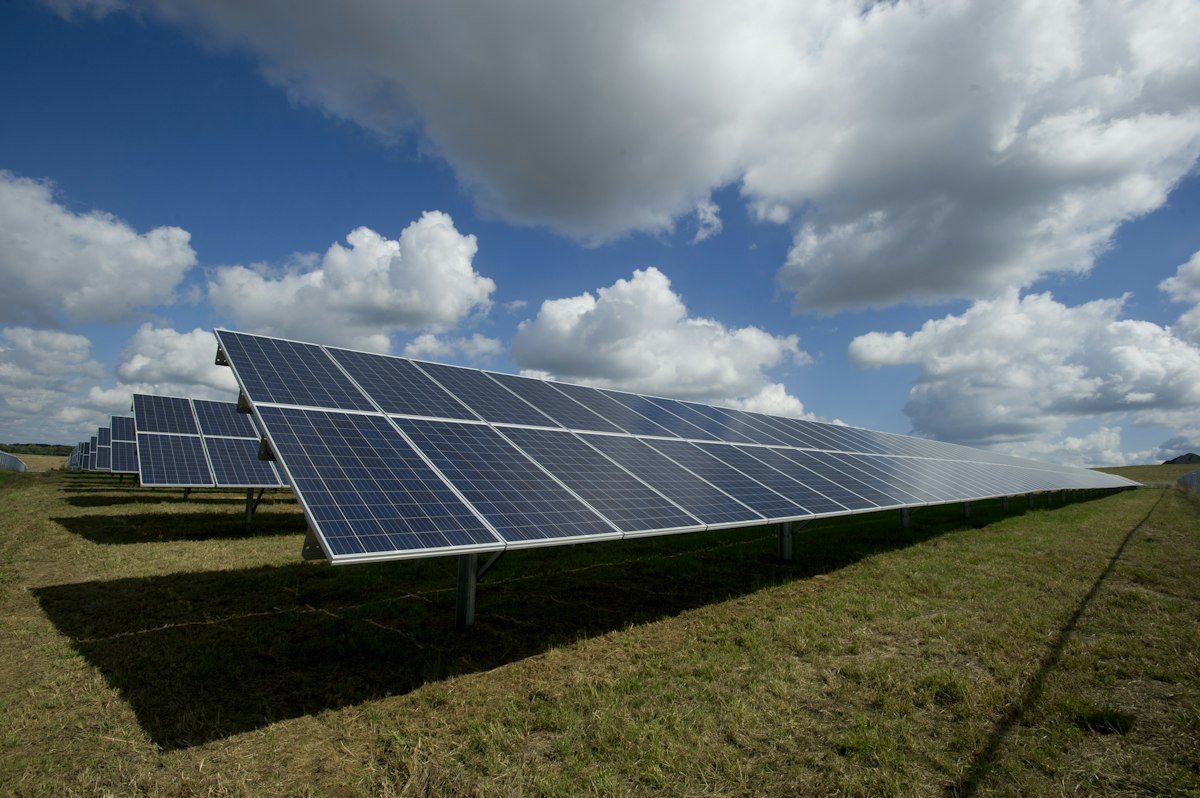
Solar panel frame gasket
Application reference — PV frame edge seal
Environment
Renewable energy
Review focus
Fit · material · life
Solar PV Panel Sealing
PV installations expose seals to years of sun, rain and thermal cycling. The material and compression plan need to support long-term recovery and frame protection without trapping water.
We support EPDM and silicone gaskets and edge seals for panel frames, junction boxes, mounting rails and tracker components. Profiles can be supplied in coils or cut lengths, with adhesive or mechanical retention reviewed for the assembly method.
What we review
- Frame extrusion and insert dimensions
- UV dose, temperature cycle and ozone exposure
- Rain runoff, drainage and condensation path
- Assembly speed, adhesive or clip requirement
The drawing is only half the brief
Tell us where the seal is installed, what it has to keep out and how it is fixed. That context often changes the material, compression or profile shape—and can prevent an expensive trial-and-error loop.
Share the interface
Send the frame or panel drawing, groove dimensions, mating surface and a photo of the installation if available.
Define the duty
Tell us the temperature, UV, water, chemicals, movement and expected service life—plus any cleaning or certification requirements.
Validate a sample
Test the proposed profile on the real assembly before committing to tooling or a bulk order. Fit, feel and compression matter.
Tell us what the seal has to do.
Send a drawing, a photo of the installation or the existing seal. We will respond with a profile and material route, sample options and the information needed for an accurate quotation.
CAD: DWG, DXF, STEP, IGES, PDF Sample photos welcome Trial orders supported